Why good intentions aren’t enough: Five lessons on building inclusive businesses
From accessible product design to community consultation, business leaders at a Mastercard-hosted Growth Summit roundtable shared practical lessons on turning inclusion from a corporate aspiration into meaningful action.
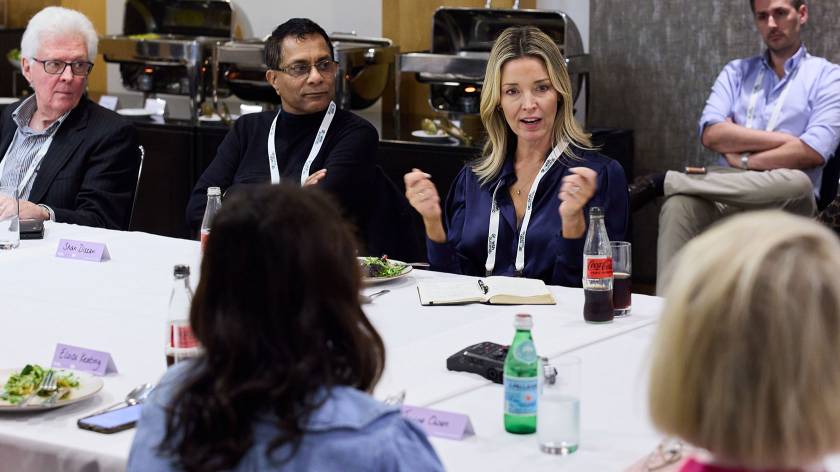
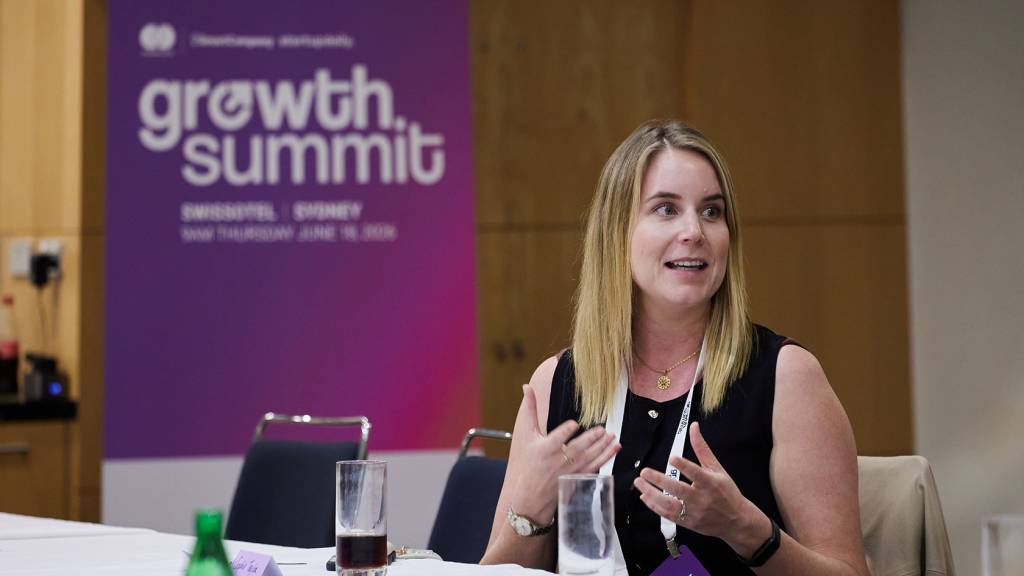
Business leaders and founders discuss inclusion, accessibility and community impact during a Mastercard-hosted roundtable at Growth Summit. Image: Bake Agency
How can businesses use technology to build more inclusive communities?
According to the founders and business leaders around the table, the answer isn’t found in mission statements or marketing campaigns. It comes from understanding barriers, designing for real people and creating opportunities that lead to meaningful outcomes.
The discussion revealed five recurring themes that any business can apply when turning inclusion from an aspiration into action.
1. Inclusion works best when it is built into the business, not an afterthought
At Mastercard, that starts with embedding purpose into the company’s core operations, according to Alexandra Sloane, VP of integrated marketing and communications for Australasia.
“Mastercard is staying true to that idea of purpose being built into why it exists and how it operates,” explained Sloane, pointing to the company’s value of “doing well by doing good”.
Smarter business news. Straight to your inbox.
For startup founders, small businesses and leaders. Build sharper instincts and better strategy by learning from Australia’s smartest business minds. Sign up for free.
That idea was echoed by Janine Owen, founder and CEO of Granted, who argued that impact initiatives are unlikely to be sustainable if they sit separately from commercial realities.
“It is not sustainable and it will not be successful if someone says we’re doing purpose or impact for the sake of doing purpose or impact if it does not benefit the company,” Owen said.
For Owen, the key is alignment between the cause, the brand and the way impact is delivered. Without that, even well-intentioned initiatives can become disconnected from the people they are meant to support.
Dean Salakas, CEO of Retail Community Pty Ltd, made a similar point, arguing that purpose is increasingly part of how businesses compete.
“It’s just not enough to sell stuff. You’ve got to stand for something,” he said.
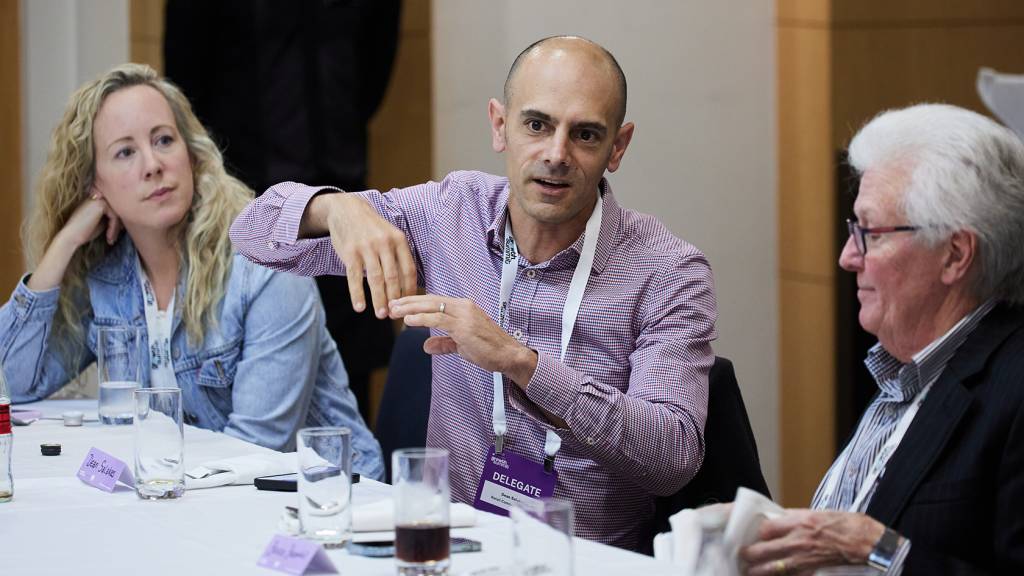
For Dean Salakas, CEO of Retail Community Pty Ltd, purpose and growth can go hand-in-hand. Image credit: Bake Group.
2. Some of the most accessible solutions are the simplest
Accessibility is often less about reinventing products and more about removing barriers hiding in plain sight.
Some of the most impactful accessibility innovations discussed by the panel weren’t complex pieces of technology, but simple solutions designed to address a specific need.
Sloane pointed to Mastercard’s Touch Card, developed for people who are blind or vision impaired. The card uses small notches to help users distinguish between different payment cards by touch alone.
“It’s just an indentation,” said Sloane. “It’s just a really simple, easy to execute way of solving that problem.”
Another example was Sensory Notes, a Mastercard initiative designed in partnership with Autism CRC. The program encourages restaurants to provide detailed descriptions of menu items, including texture, temperature and flavour, helping neurodivergent diners know what to expect before ordering.
Similarly, CanTicket founder Cassandra Cadorin shared how her team redesigned keyboard shortcuts after an employee who could only use one hand joined the company. What began as a solution for one staff member was eventually rolled out across the platform, improving accessibility for all users.
3. Lip service is letting founders down
While many large organisations have supplier diversity targets and purpose-led commitments, several attendees questioned whether those promises are translating into real opportunities for small businesses.
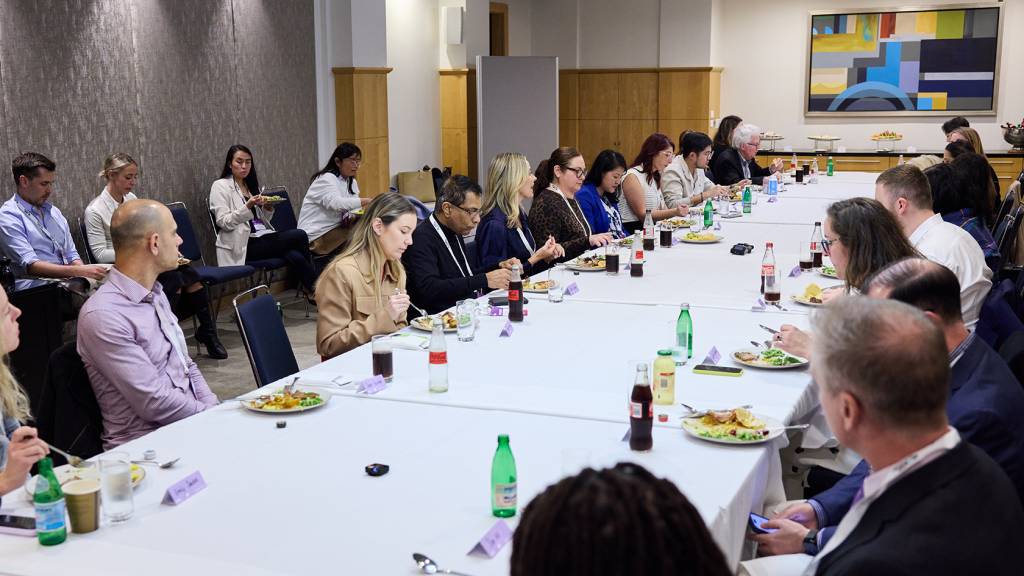
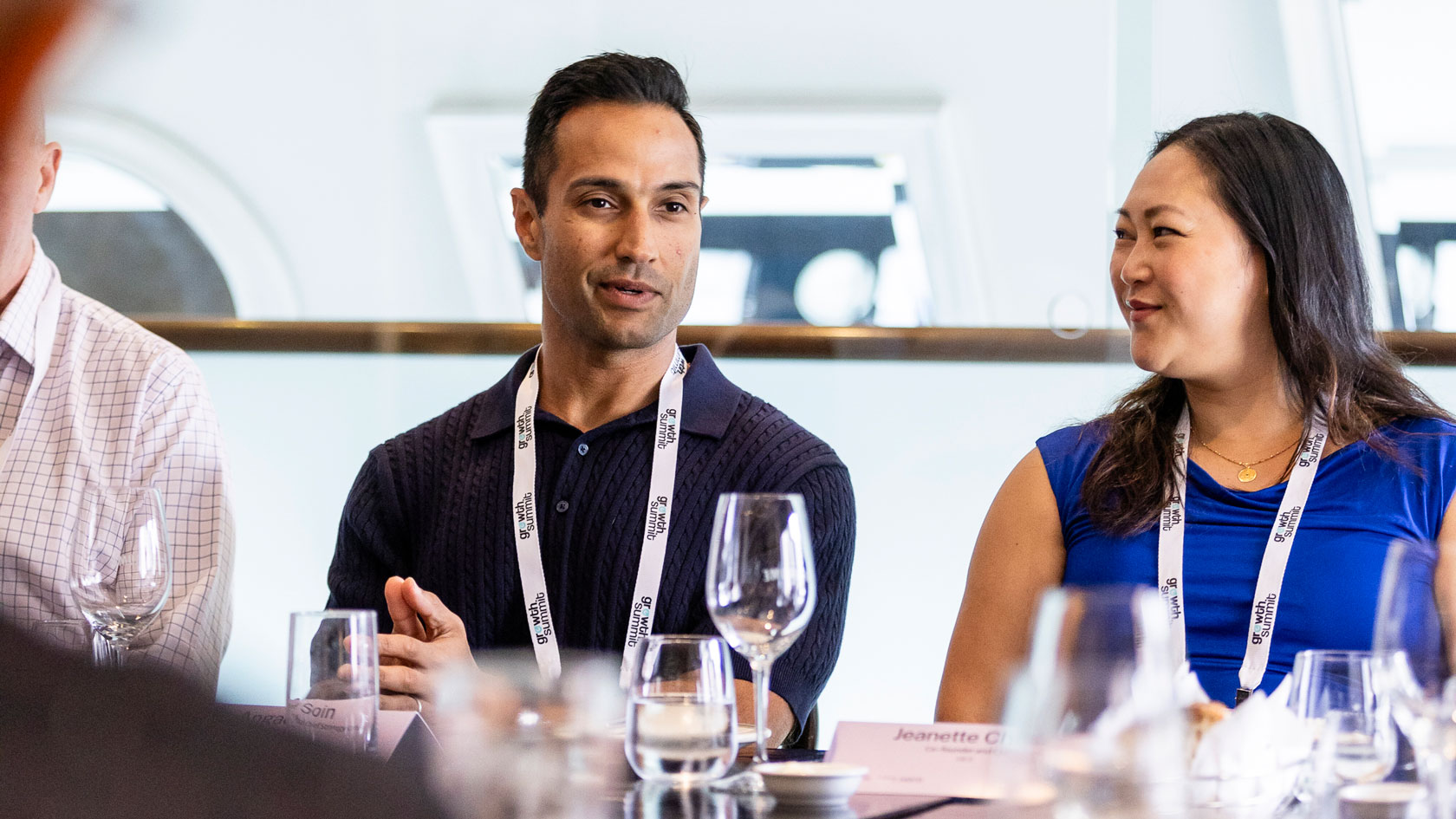
The table discussed whether big business is doing enough to support access for purpose-led SMBs. Image credit: Bake Group.
Vinisha Rathod, founder of p3 Studio and program lead for Startup World Cup Australia 2026, pointed to the challenges faced by Indigenous-owned businesses trying to break into major retail supply chains, arguing that access remains one of the biggest barriers to growth.
“I see so many businesses that struggle, they can’t get through because the gates are too high,” said Rathod.
The discussion highlighted a recurring tension between corporate purpose statements and practical outcomes. While the intention may be there, founders argued that inclusion must extend beyond marketing campaigns and public commitments to create genuine pathways into funding, procurement, distribution and retail networks.
“If you really don’t want to do purpose and you only care about profit, say that,” added Rathod. “But then how are we opening the doors for those who are actually trying?”
4. Community consultation is essential
Meaningful inclusion rarely happens in a boardroom. Instead, it emerges from lived experience and close consultation with the communities most affected by the challenges being addressed.
For Mastercard, that means consulting directly with those affected before developing solutions.
“It always starts with consultation with the community on what’s the gap, what’s the challenge,” said Sloane.
For Leticia Andrac, founder of Understanding Zoe, that level of community insight was critical to building a product that genuinely addressed the needs of neurodivergent people.
“Understanding Zoe was initially inspired by the story of my daughter,” she said.
Originally created to help teachers and therapists better understand her autistic daughter, the platform has since expanded to support thousands of neurodivergent individuals and their support networks.
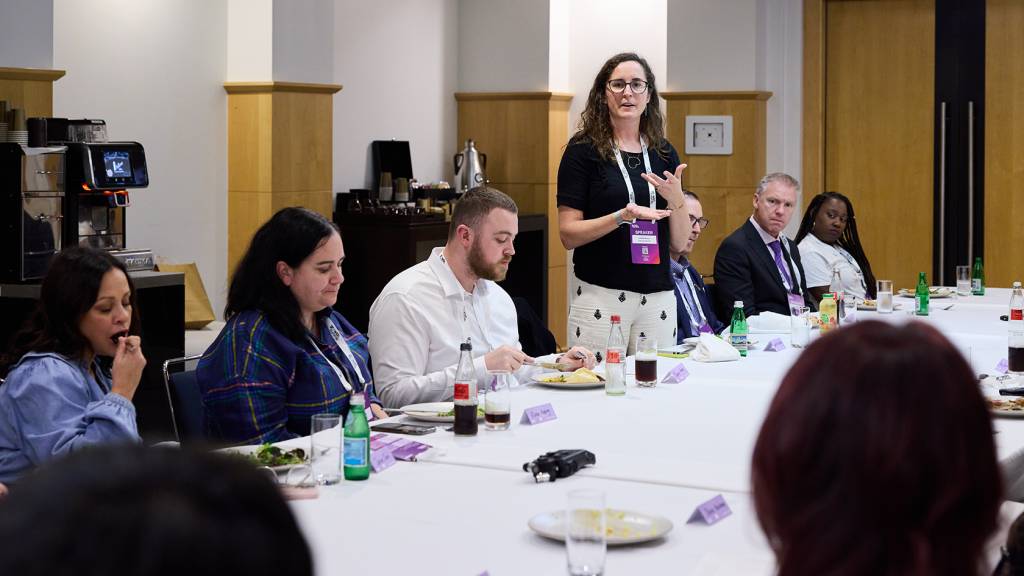
The AI app “Understanding Zoe” was inspired by founder Leticia Andrac’s experience as a parent to a neurodivergent child. Image credit: Bake Agency.
A common theme emerged throughout the roundtable: the most effective solutions are often developed alongside the people they are intended to help.
5. Community impact and ROI are not mutually exclusive
Community impact and commercial outcomes are often treated as competing priorities, but the roundtable participants argued they can reinforce each other.
“I didn’t see that it had to be an either-or in terms of commercial benefit versus charity. Why can’t we have a commercial initiative that is good for the business but also does good in the community,” said Salakas.
This approach to inclusion was echoed by Sophie Taylor, head of marketing at Pest2Kill. The pest management company has used creative community initiatives to build trust and brand awareness, from its children’s insect education show to its “racing roach” fundraising campaign.
Sophie Taylor, head of marketing at Pest2Kill says that a creative, community-oriented approach has been pivotal in helping Pest2Kill stand out from the crowd. Image credit: Bake Agency.
While unconventional, the initiatives have helped Pest2Kill stand out in a crowded market and create a connection within its local community.
“It’s a long game,” explained Taylor.
The discussion highlighted that community impact does not have to sit outside a company’s growth strategy. Done well, giving back can strengthen reputation, build loyalty and create a level of brand trust traditional marketing cannot always buy.
Pearl Bendle is a junior copywriter at SmartCo. Media, with a passion for creating stories that connect with audiences. Prior to joining SmartCo. Media she worked with the Foxtel Group and holds a bachelor of communications from the University of Technology Sydney.
Mastercard seeks to help as many Australian retailers as possible, to grow their businesses by embracing all forms of payment to provide customers the choice to make transactions whichever way they want to, with no restrictions.