What do a personalised water bottle Oprah Winfrey described as “perfect”, a 1982 bottle of wine sourced for a serious collector and a custom neon sign created for the 2022 NFL Draft have in common?
Each is the result of an Australian e-commerce brand that has turned a distinct product offering into a globally renowned customer experience.
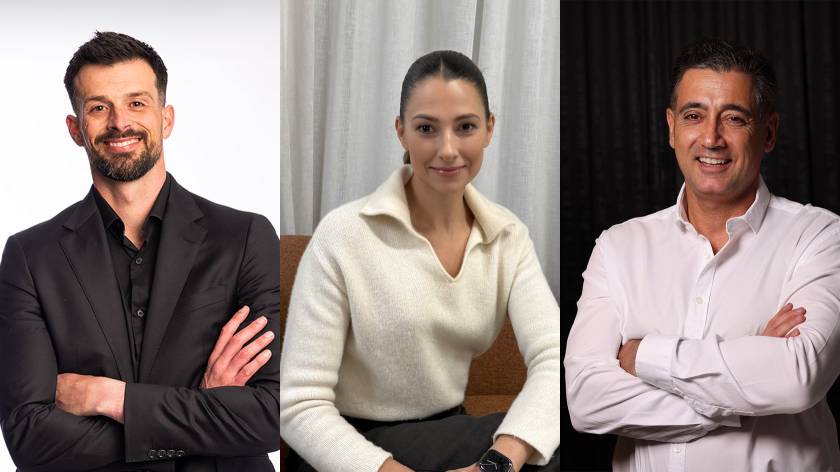
SmartCompany spoke with Beysis co-founder Ariana Hendry, United Cellars founder and chairman Anthony Ghattas and Kings of Neon founder Stephen Pastor about how they have built their brands into trusted online retail powerhouses.
While the three businesses operate in very different categories, they share a common challenge: building e-commerce experiences that feel personal, convenient, secure and future-ready.
Convenience, from rare wines to neon signs
Today’s online shoppers expect every stage of the customer journey to feel simple, fast and intuitive.
Smarter business news. Straight to your inbox.
For startup founders, small businesses and leaders. Build sharper instincts and better strategy by learning from Australia’s smartest business minds. Sign up for free.
By continuing, you agree to our Terms & Conditions and Privacy Policy.
For United Cellars, an online premium wine and spirits store beloved by wine connoisseurs and collectors searching for rare bottles, premium drops and highly personalised cellar recommendations, that means reducing friction wherever possible.
“A good e-commerce user experience is really about simplicity. Less is more, less is better in that case,” says Ghattas. “So, one click to pay? Fantastic.”
Stephen Pastor, founder of Kings of Neon, which creates custom neon signage for everyone from small businesses and startups to Fortune 500 companies, says multiple payment options can help combine convenience with personalisation by allowing customers to pay using their preferred method.
“With digital payments, it’s good to give the customers as many options as possible because we’ve got to understand that they all have different needs,” says Pastor. “For me, I actually don’t buy anything online unless it’s got Apple Pay because I don’t carry my wallet.”
Security builds trust
For Ghattas, security is not a back-end function or a compliance box to tick. It is central to the customer experience.
“Security in our e-commerce store is mission critical,” he explains. “People trust us with their private information, their credit cards, and more importantly, if we want them to come back again, they need to know that everything we do is safe.”
That trust is particularly important at checkout, where customers are being asked to share sensitive payment information.
“We use people like Visa for Click to Pay because it makes it very easy for the customer,” Ghattas explains. “It’s fraud secure and more importantly, it’s quick to check out and safe.”
Visa’s Click to Pay is designed to reduce online checkout friction by removing the need to manually enter card details, while using tokenisation to help protect payment credentials.
For Kings of Neon, where customers can spend anywhere from $5,000 to $10,000 in a single order, customer confidence is especially important. Pastor says working with trusted payment brands helps reassure customers when they are making a significant purchase online.
“For us, having such a large average sale, it’s really important for us at Kings of Neon to work with partners like Visa and other trusted brands,” he says.
For e-commerce businesses, the lesson is clear: security is part of the customer experience – not an afterthought.
Zero in on what sets you apart
When Beysis launched in 2019, the women-led lifestyle brand known for its personalised water bottles and tumblers had several selling points, including sustainability, support for social causes and design.
But Hendry says the business saw stronger results when it focused its messaging around the one thing that truly set it apart: personalisation.
“Personalisation is at the heart of why people buy Beysis,” Hendry explains. “So as soon as we quietened the other USPs and really focused on the hero, we noticed a huge turn in not only our marketing messaging, but the quality of our conversion rate on site because people knew they were coming [to Beysis] for that specific purpose.”
Its most famous customer, Oprah Winfrey, also complimented Beysis’ customisation on her Instagram story, completely unprompted.
“I was looking for the perfect water bottle… and the most important [thing] is having everyone’s name on their water bottle,” the star said.
“Since then, [Oprah has] actually purchased from us a few more times, so we can count her as a repeat customer,” says Hendry.
Ghattas says what sets United Cellars apart is its commitment to creating customer experiences, not just selling products.
“We use our website not just to sell products, but experiences,” he explains. “We learnt very early on that to sell premium wine and spirits, it’s about the enjoyment, it’s about every part of the experience that customers have.”
For example, last year a client purchased a highly collectable 1982 bottle of wine. But the sale also included a vineyard experience, Michelin-star dinner and accommodation.
Pastor credits Kings of Neon’s online ordering and design portal with helping the business stand out.
Rather than forcing customers through a lengthy back-and-forth quoting process, the platform allows them to design their own neon sign or convert an existing logo into a neon design. Detailed mock-ups then help customers visualise how the signage will look in their space before committing to the purchase.
Whether the customer is a Fortune 500 company, small business or startup, the aim is the same: to give them more control and confidence in the buying process.
The three founders have their eyes on AI-powered shopping, where large language models (LLMs) such as ChatGPT, Claude and Perplexity help customers discover, compare and purchase products online.
“The reality with [AI-assisted shopping] is statistically it’s still less than 10%, but it is growing,” Hendry explains. “So now I feel this sense of urgency that we’ve got to get on top of it now before it really is the dominant player.”
For Pastor, the rise of AI-assisted shopping means businesses need to think beyond traditional search and consider how visible their brand is to LLMs.
“AI shopping and showing up in LLMs is, in my opinion, a fundamental part of SEO,” he shares. “You have to understand that LLMs source all of their information online. So if you’re putting your brand front and centre through basic SEO principles, you should be pretty well set to be searchable on AI LLMs.”
As these brands builders continue to discover, the best way forward in e-commerce is to stay agile, stay adaptable, and never lose sight of the customer you’re serving.
Want more info on how to tackle AI in e-commerce? Visa Intelligent Commerce helps businesses of any size keep AI-assisted purchases fast, safe and reliable.
Visit Visa’s Small Business Hub for more e-commerce resources and tools.