“Ideas aren’t anything”: Mark Bouris on what founders get wrong about growth
From founder ego to AI hype, Optus Business Ambassador Mark Bouris shares practical lessons on building a business that lasts, shaped by his experience as the founder of Wizard Home Loans and Yellow Brick Road.
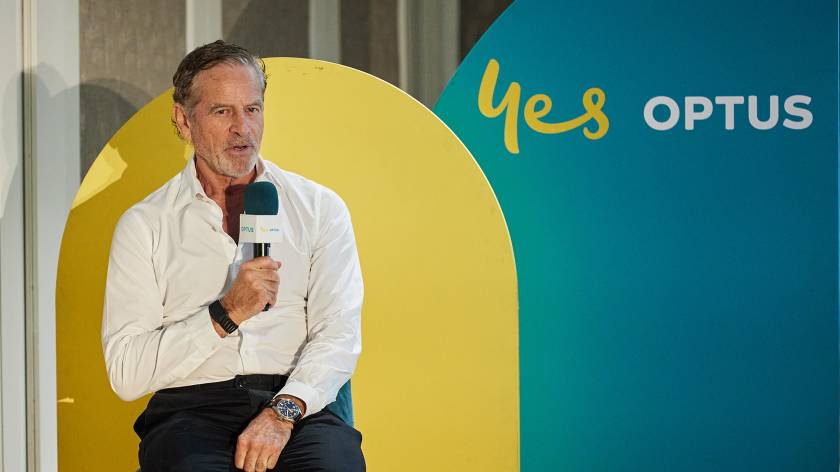
Founder of Wizard Home Loans and Yellow Brick Road, Mark Bouris. Image credit: Bake Agency.
A good idea might get a founder started, but it won’t build a business on its own. According to Mark Bouris, execution, customer focus and resilience matter far more than inspiration alone.
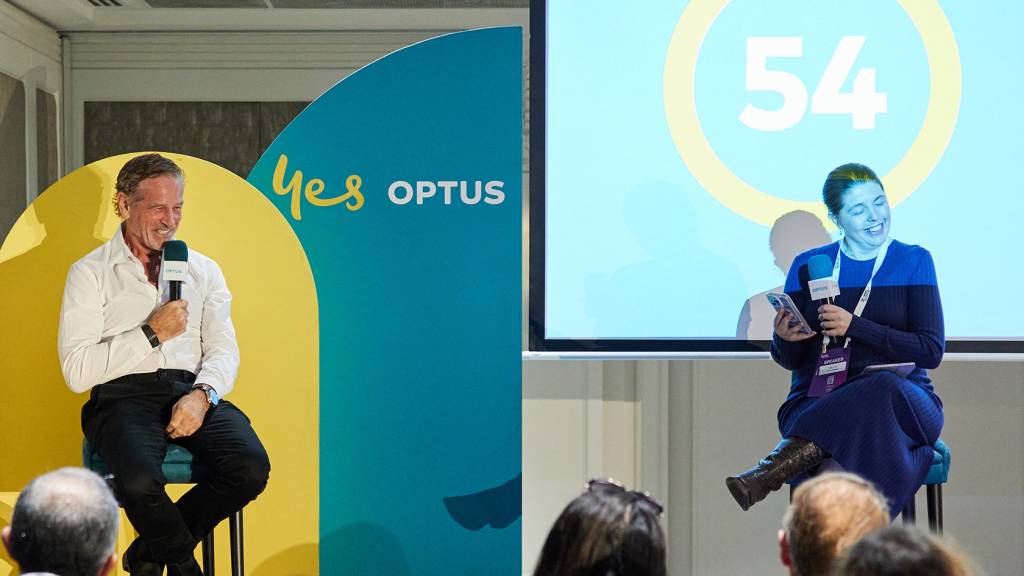
Bouris shared those lessons during Optus’ On The Clock Live session at SmartCompany and Startup Daily’s Growth Summit, offering a candid perspective on what it really takes to build a business that lasts.
The Wizard Home Loans and Yellow Brick Road founder shared direct advice on the realities of building and scaling a business, from testing assumptions against the market to using technology without losing sight of human connection.
For business owners navigating growth, Bouris’ message was clear: success is rarely about shortcuts. It comes from execution, resilience, customer focus and the foundations that allow a business to keep moving as conditions change.
Ideas aren’t anything without execution
For Bouris, many founders spend too much time refining ideas and not enough time testing them.
Smarter business news. Straight to your inbox.
For startup founders, small businesses and leaders. Build sharper instincts and better strategy by learning from Australia’s smartest business minds. Sign up for free.
“Ideas aren’t anything unless you’re able to execute on your idea. It’s just an idea. It means nothing in a business.”
The real risk, Bouris argued, is getting caught up in your own hype.
“I think the biggest mistake founders make is believing in their bullshit,” he told the summit.
“We bullshit ourselves a lot and you know, we think we’ve got the best possible product in the world and we think that everybody wants our product.”
Instead, Bouris argued founders need to focus relentlessly on what customers actually want.
“Successful businesses aren’t built around what founders think customers want; they’re built around understanding how customers actually want a product delivered, priced and experienced.”
Bouris attributes much of the success of Wizard Home Loans to redesigning mortgages around consumer preferences rather than simply offering the same product as banks.
“In the mortgage industry banks were thinking ‘if you want to borrow money, I’m going to lend you the money,’” he explained. “[At Wizard Home Loans] we said no, we’ll change the whole arrangement. We’ll allow you to redraw, make extra payments, redraw that back if you want to. We changed the way consumers wanted the mortgage.”
Success is a marathon, not a sprint
Asked what advice he would give his 21-year-old self, Bouris said he’d advise against being in a hurry.
“I was exposed early on to people with money, and all I thought to myself was ‘that’s what I want, I want that,’” he explained. “I was in a hurry to get things, as opposed to a hurry to build something that’s valuable to the community.”
This urgency led Bouris to prioritise work above almost everything else and adopt a leadership style he says sometimes resembled Attila the Hun.
“I used to take the view that being a Leader was about being in charge and telling people what to do,” he explained. “There was a saying in our organisation that if you got called into my office, you’re going to get what they called a Bourissing.”
These days, Bouris takes a longer-term view of success and believes business owners need to build careers they can sustain.
“In order to be successful in business, you’ve got to have longevity,” said Bouris. “It doesn’t happen overnight. It usually takes ten years.”
“Get healthy and stop pushing yourself like tomorrow’s the only day of the week that’s ever going to count in the rest of your business life.”
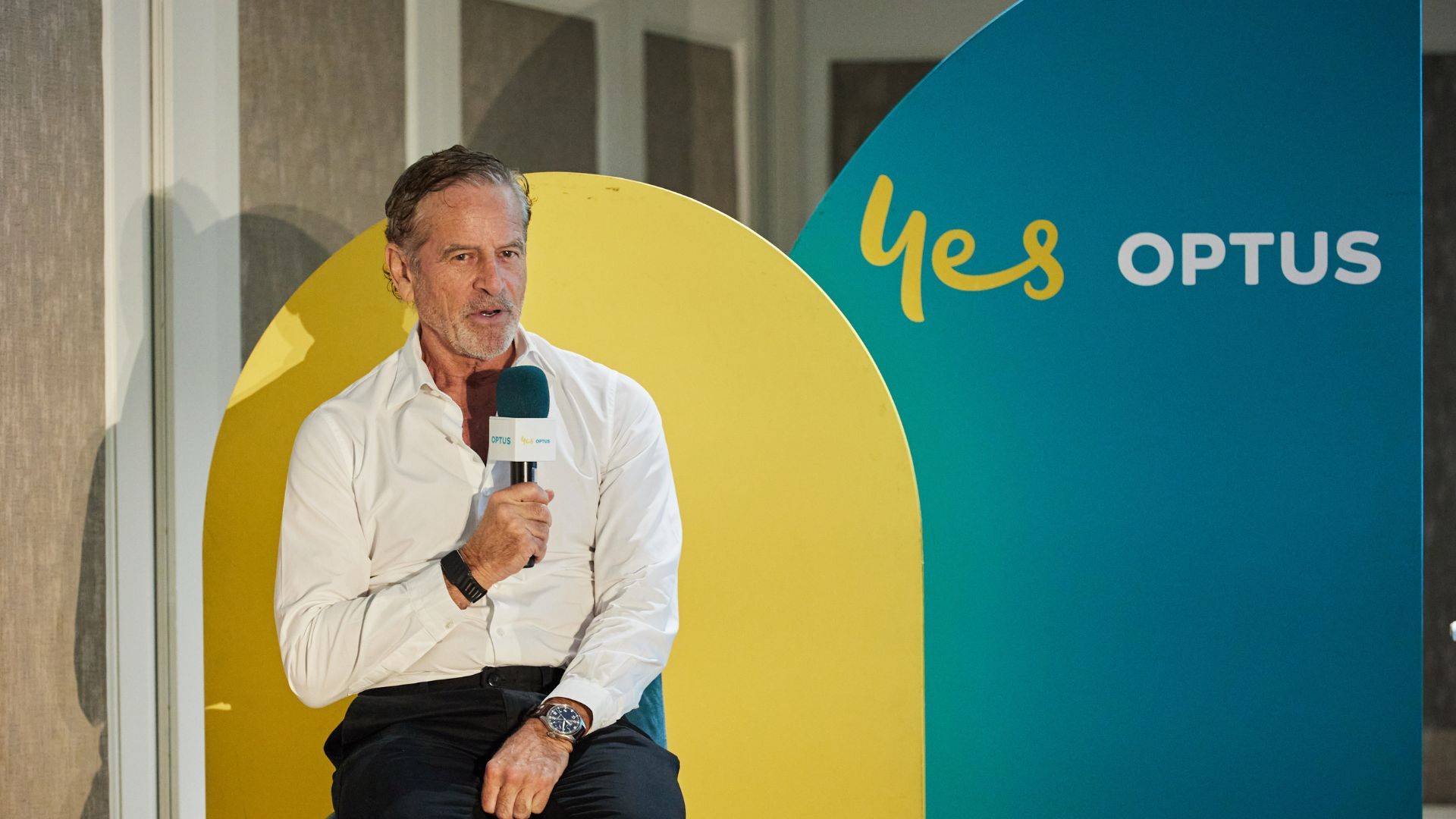
Mark Bouris says that success requires balance and longevity. Image credit: Bake Agency.
AI won’t eliminate the human touch
While Bouris is embracing AI, telling the summit how he has built a Greek-speaking AI agent to practise the language, he pushed back against some of the more extreme AI predictions.
His view is that AI will improve efficiency and automate many administrative and financial tasks, but it won’t eliminate the need for human relationships and expertise.
“People still need people,” he claimed.
Bouris likened the rise of AI to the 1990s tech boom and the advent of the internet. At the time, many people predicted that physical bank branches would become irrelevant, yet customers still sought human guidance for major financial decisions.
“People still today want to see a broker or their banker to close the deal because it’s complicated.”
For business owners, Bouris suggested the opportunity lies not in replacing people, but in using technology to remove friction and improve efficiency so teams can focus on higher-value work.
Small business deserves a bigger spotlight
Towards the end of the session, Bouris became passionate about the role of government and society in supporting entrepreneurs.
He argued Australia should be cultivating entrepreneurship in all of its forms.
Bouris’ view was that an emphasis on high-growth success stories has led to many small business owners going under-recognised, despite playing a crucial role within the economy and local communities.
“We should be celebrating everything from fish and chip shops to bootmakers to people working in high-end tech,” he told the summit.
To learn more about how connectivity and technology solutions are helping Australian businesses grow and stay connected, visit Optus Business.
Pearl Bendle is a junior copywriter at SmartCo. Media, with a passion for creating stories that connect with audiences. Prior to joining SmartCo. Media she worked with the Foxtel Group and holds a bachelor of communications from the University of Technology Sydney.
At Optus, we understand that running a small business is no small feat. Optus keeps you and your business connected with 24/7 online support, an award-wining network and access to a community of business experts. When your business needs support, we’re all in.