For Consolidated Linen Service (CLS), growth was not the problem.
Coming out of COVID, demand surged across regional Queensland, new opportunities kept emerging and the family-owned business was ready to expand.
The challenge was finding the capital, expertise and governance support needed to keep up with this momentum, without compromising the values and independence that had shaped the business for more than three decades.
Scaling beyond a family business
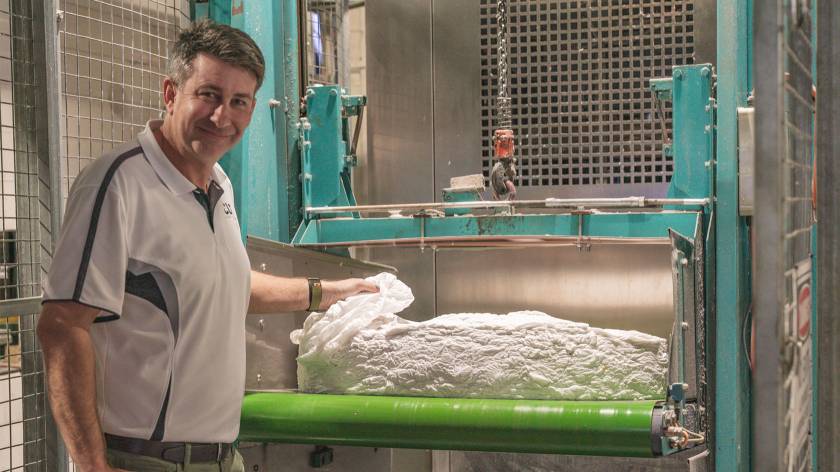
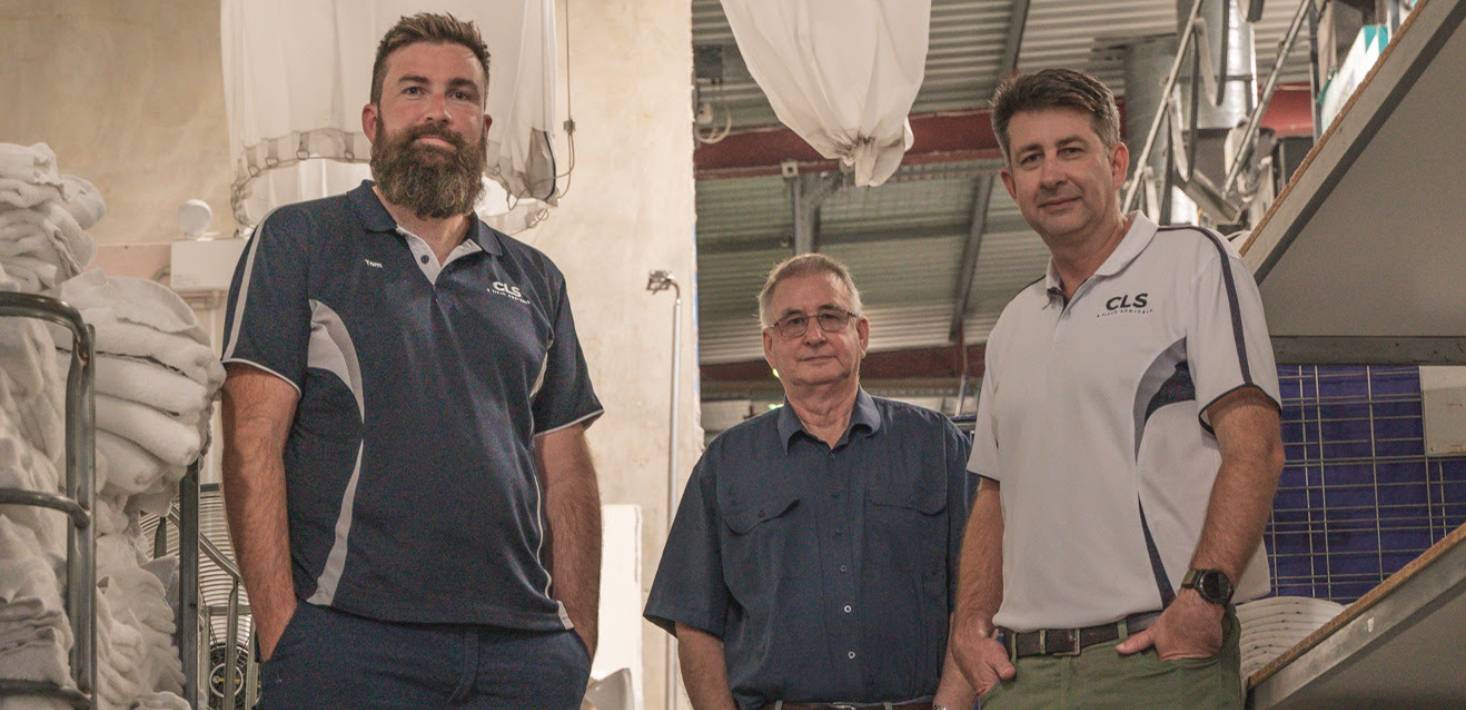
Adam Roberts, managing director of Consolidated Linen Service, started working on the laundry floor as a teenager shortly after his parents founded the business in Hervey Bay in 1990.
Since then, the business has expanded to four laundry plants servicing more than 800 clients across the hospitality, aged-care and healthcare sectors throughout regional Queensland.
Smarter business news. Straight to your inbox.
For startup founders, small businesses and leaders. Build sharper instincts and better strategy by learning from Australia’s smartest business minds. Sign up for free.
By continuing, you agree to our Terms & Conditions and Privacy Policy.
Following a surge of demand from hospitality clients during the post-COVID Queensland travel boom, CLS saw dramatic growth.
“Coming out of COVID, tourism in Queensland bounced back very quickly,” says Roberts. “We somehow managed to provide services when others couldn’t. The result was that we grew very quickly.”
However, like many growing businesses, CLS reached a point where demand was no longer the challenge. The company had customers, opportunities and ambitious growth plans, but needed capital, governance support and experienced advisers to help it scale with confidence.
The need for support became particularly pressing as CLS prepared to refurbish a newly acquired laundry facility in Rockhampton.
“We had bought an old laundry in Rockhampton, and the day that we bought it, we said ‘we need to burn this place down,’ not literally, but figuratively,” explains Roberts. “We had a major competitor in the region. But we stuck to our guns and we just started looking for capital to help us fast-track.
“We knew we had the work, we just didn’t have the capacity to do it.”
That search ultimately led CLS to the Australian Business Growth Fund (ABGF), a minority growth capital investor and Australia’s only purpose-built growth fund dedicated to investing in the SME sector.
Backing growth, without giving up control
ABGF was established in 2020 as a public-private partnership, with the intention of creating a middle ground option for businesses looking to raise capital, as a unique alternative to bank lending and private equity funding.
For businesses like CLS, ABGF fills a capital gap between venture capital and traditional private equity.
“So we had spoken to a couple of other investors, private equity firms, etc. over the prior year,” recalls Roberts. “But again, we fell through a bit of the cracks between being too large for some wealthy family houses, but too small for the typical PE firms.”
Unlike many private equity investors, minority growth capital investors take a non-controlling equity stake in a business, typically less than 49%. For CLS, this was key, as the Roberts family have been able to maintain complete control of CLS, ensuring the values and legacy instilled by Roberts’ parents into the business will continue well into the future.
“That’s in fact why we set up the fund, because every entrepreneur I’ve ever met doesn’t want to give up control if they don’t have to,” says Anthony Healy, founding CEO and managing director of ABGF. “They want to realise a lot of that growth potential in their business with a partner that brings more than just capital to the table.”
The growth fund with a difference
ABGF’s backing goes beyond providing growth capital. The fund also supports investee companies with governance, recruitment, mentoring and strategic guidance.
“At ABGF, we’re not just a source of capital,” says Bonnie Powell, head of people and portfolio talent at ABGF. “Our role is to be an active partner in helping portfolio companies make better decisions more quickly.”
“We essentially act as a sounding board and a thought partner across financial, people and strategy… which can make a real tangible difference to the day-to-day and ultimately the growth trajectory of the businesses that we’re investing in,” explains Powell.
Roberts says the support extends well beyond the boardroom.
“Having an issue that may not necessarily be a board-level discussion, but knowing that I can call ABGF and say ‘hey, we’re thinking about this or this problem’s emerged, how do we think we should tackle it?’ There is still day-to-day interaction, which is great,” says Roberts.
ABGF has also been instrumental in helping CLS make some critical new additions to the team.
“We attracted a very high calibre CFO that we wouldn’t have been able to hire without assistance,” explains Roberts.
ABGF’s expertise on hiring and governance was also crucial in managing the process of selecting and appointing a new independent chair at CLS.
“Without ABGF the calibre of person we have as our chair, we would not have had access to,” says Roberts.
Since receiving investment from ABGF in June 2024, CLS has continued to grow, cementing its position as a leader in industrial laundering across regional Queensland.
“We’ve probably grown 50% since we first became partners,” reflects Roberts.
The partnership has allowed CLS to upgrade capacity and efficiency across its sites, upgrades that are particularly important as the business prepares for future high-demand events such as the 2032 Brisbane Olympics.
Ultimately, says Healy, ABGF’s mission comes down to “driving economic growth and creating jobs in the Australian economy and supporting the innovation and entrepreneurial culture in Australia.”
Find out how ABGF can help support your business through its next phase of growth today at abgf.com.au