Why HR can no longer separate wellbeing from performance
Changing workplace dynamics, generational shifts and the integration of artificial intelligence are influencing how organisations operate and how employees engage with their roles.



The role of human resources is undergoing a fundamental shift, driven by a deeper re-examination of what organisations owe their people and what people owe their work.
As expectations around wellbeing, psychological safety and leadership maturity rise, HR is increasingly being asked to hold two truths at once: that workplaces must be more human and that performance still matters.
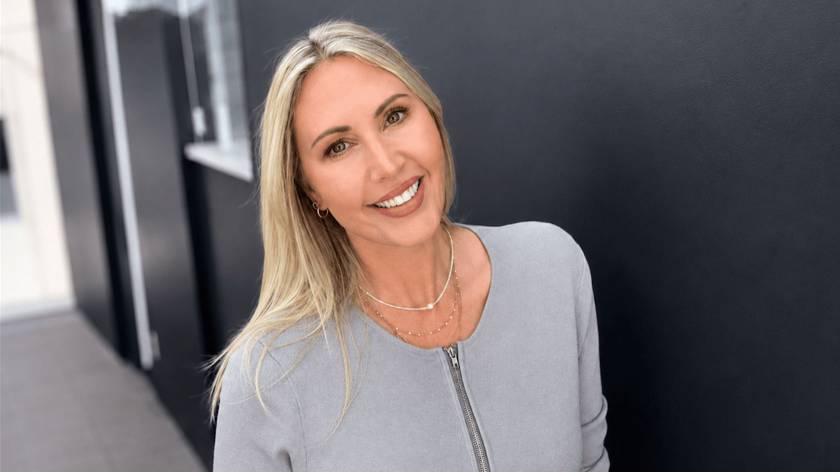
According to Jade Donegan, founder of Energy Collective Co, the future of HR lies in navigating this tension with greater clarity, courage and nuance, moving beyond administrative function toward a more system-aware model of organisational performance and culture.
“Leaders are also becoming more cautious in how they make decisions, especially when legal and ethical issues overlap,” she says. “It’s creating an environment where people hesitate not because they doubt their abilities but because they’re juggling so many competing priorities.”
As these competing priorities become more prominent, their influence can be seen in how decisions unfold.
Most organisations intend to act in accordance with both regulatory requirements and internal values, while maintaining operational effectiveness.
However, Donegan notes that concerns around potential claims, particularly in relation to workplace conduct, can extend decision timelines and dilute direction.
The challenge is balancing the desire to act responsibly with the need to make timely and effective decisions.
This interplay may also shape workforce dynamics.
“Expectations around flexibility, progression and fulfilment are now part of employment conversations, while businesses continue to operate within commercial realities that require consistency and output,” she explains.
Donegan adds that this creates a space where expectations on both sides benefit from clearer articulation.
As expectations shift on both sides of the employment relationship, Donegan believes that leadership is placed under additional pressure to navigate performance conversations with care and precision.
“Leaders may feel a bit restricted when they need to address sensitive topics, especially when they’re trying to balance being supportive with being clear,” she says. “In those moments, having a simple framework to lean on can help keep the conversation grounded and respectful while still moving things in a constructive direction. It just gives everyone a little more clarity about what the discussion is aiming to achieve.”
Understanding these impacts raises further questions about how HR is positioned within organisations.
According to Donegan, HR is sometimes viewed through a narrower lens, focused primarily on compliance or administrative processes and emerging HR trends of what businesses should do to be successful.
In some cases, initiatives may be introduced without being fully aligned with operational realities, which can limit their effectiveness.
For example, programmes designed without consideration of workforce composition or role-specific demands may struggle to deliver meaningful outcomes. Similarly, engagement surveys can capture sentiment without fully identifying the underlying drivers of behaviour.
This gap between insight and action is where Energy Collective Co directs its focus. Its work examines the root causes of performance by considering how work is designed, how leadership is enacted and how individuals manage their capacity. Central to this approach is Energy Collective Co’s framework, which includes physical, mental, emotional and spiritual factors.
“I’ve found that performance is shaped by far more than someone’s skills or how hard they try,” Donegan shares. “There’s also often a noticeable gap between the wellbeing practices discussed at an executive level and how they play out for people across the wider workforce. Noticing that gap can be an important step in understanding what really supports people day to day.”
Linking organisational design with individual responsibility may introduce a more balanced view of performance. At Energy Collective Co, leaders are encouraged to create environments where expectations are clearly defined, while individuals are empowered to take ownership of both performance and, where necessary, transition decisions.
Donegan shares one example in which a structured performance improvement process led to the majority of individuals choosing to exit on their own terms, illustrating how support and accountability can operate together within lawful and ethical processes.
“If we give people the space to reflect with honesty, they can find their own direction,” explains Donegan. “That moment of ownership can be more constructive than any imposed outcome.”
This perspective also reframes the role of HR within the organisation. Donegan notes that HR decisions can become more closely linked to business outcomes while maintaining alignment with regulatory frameworks.
This shift, she observes, intersects with the increasing presence of automation, where roles continue to evolve alongside technological capabilities.
Donegan emphasises that in this environment, individuals who understand how to manage their energy and sustain focus are better positioned to contribute effectively, while organisations that invest in human performance and resilience may strengthen their adaptability over time.
“Workplaces reflect the people they operate within,” she says. “We can better align performance when we know what drives people and what stops them.”
See how Energy Collective Co’s integrated approach can help your business drive performance.

I am a writer who has worked in a variety of professional roles. From crafting criticism and film analysis for outlets such as WhatCulture, Comic Book Resources, and Ratings Game Music, to writing acclaimed scripts for various YouTube channels and audio streaming service Headfone.
Energy Collective Co blends HR, productivity and change management solutions to help individuals and organisations thrive.