Reduce drop-off, boost sales: The three golden rules for a smarter e-commerce checkout
If you run an online business, you’ve seen it happen. A customer fills their cart, gets to checkout… and then ghosts you.




While some are simply indulging in a little virtual wishful window shopping, other lost sales come down to small points of friction.
Albert Naffah, Commonwealth Bank of Australia’s general manager of payment acceptance, says factors such as having to re-enter details, being asked for too much information or navigating too many steps can cause customers to pause and potentially abandon their purchase.
He says Visa’s e-commerce solutions are helping CBA remove these barriers and streamline checkout – all of which are becoming easily accessible to businesses both large and small.
“When checkout is predictable and low effort, more customers follow through with their purchases,” Naffah says.
Conversely, he says “uncertainty friction”, or moments where the customer hesitates mid-transaction, can interrupt momentum and lead to abandonment.
“If you stop customers in the process by asking for information you likely don’t need, for example, it can create a pause where they may rethink the purchase and abandon it altogether.”
Uncertainty friction can stem from something as simple as an unfamiliar payment flow or being asked to provide information that has already been submitted. With brands adopting sophisticated digital marketing workflows that recognise returning customers, speed and simplicity become essential in the battleground of e-commerce.
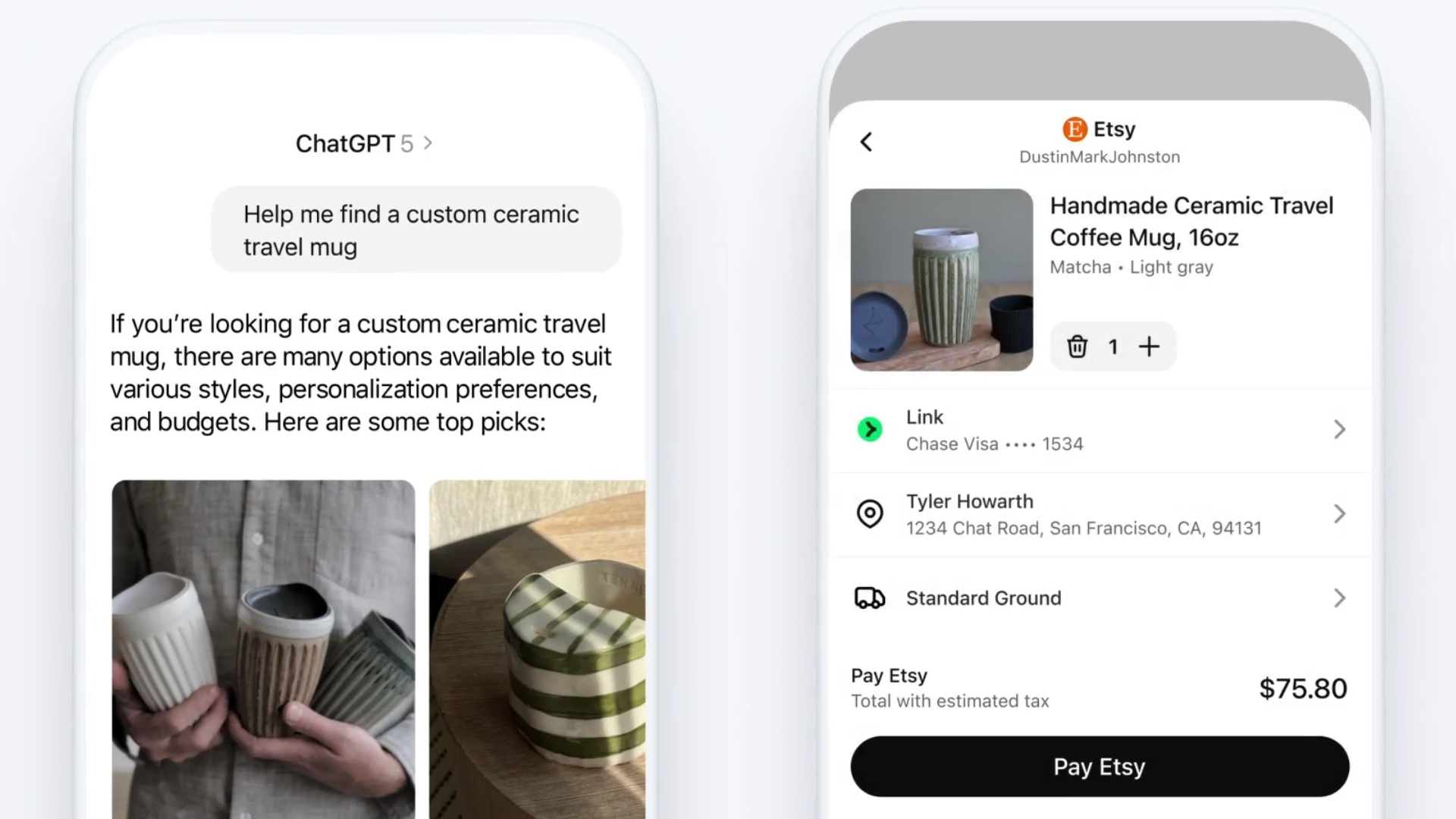
Payment capabilities delivered through Visa, like Click to Pay – which allows for a one-click checkout experience for customers – are designed to reduce this friction.
Tokenised credentials, which securely remember customer payment details, improve conversion rates by removing the need to re-enter card details manually, recognising returning customers and streamlining security checks in the background.
“These tools enable express payment options and allow returning customers to check out without re-entering their details,” says Naffah.

Security has traditionally been one of the biggest sources of friction at checkout, according to Naffah. Clunky measures like one-time passwords, where customers may need to switch between apps or even devices to complete a purchase, often introduced more friction than they removed, leading to drop-off and lost sales.
Naffah says this has been a key focus in improving online payment experiences at CBA, adding “too much friction in the name of security can actually erode trust.”
Instead, he says authentication should be dynamic, adapting to the customer and the context of the transaction rather than applying the same checks every time.
“It shouldn’t always be the same authentication process irrespective of the customer or the interaction, taking a risk-based approach when it’s really needed,” he says.
Technologies that recognise returning customers and trusted devices can reduce unnecessary friction, particularly when someone is using a familiar interface or making a repeat purchase. In those cases, trust has effectively already been established, so customers do not need to be put through the same checks each time.
At CBA, this is increasingly being enabled by Visa, whose network and authentication capabilities, including biometric and passkey-based authentication, support real-time risk assessment while reducing reliance on one-time passwords.
These technologies can assess behaviour in real time to determine whether a transaction is legitimate, allowing authentication to rely more on trusted devices and biometrics rather than interruptive steps like SMS codes.
Outside of payments tech, CBA uses additional behaviourial biometric tools to analyse customer patterns and identify potential fraud in real time.
“There’s even capability that can determine the way that a customer interacts with their phone, for example, how quickly they move their fingers over the screen or type, which allows us to assess whether it is actually the customer or someone trying to impersonate them.”
As a result, security checks can happen in the background, only stepping in when something looks unusual, rather than interrupting every transaction.
Naffah tells SmartCompany that if a customer’s preferred payment option isn’t available, it can interrupt their experience just as quickly as a slow or complicated checkout.
In practice, offering a broad range of payment options doesn’t mean integrating each one individually. Much like streamlined security, most payment platforms and gateways now provide a single integration that enables multiple payment options, from cards and digital wallets to buy now, pay later methods.
This isn’t just something big businesses can benefit from. Payment system capabilities are giving small and medium businesses the ability to deliver fast, secure checkout experiences that customers now expect.
These capabilities, including Click to Pay and streamlined authentication, are already built into modern payment platforms, making them accessible to all businesses without needing to build from scratch.
Find out more about Visa e-commerce solutions here.


Visa Inc. is a global payments technology company that connects consumers, businesses, financial institutions, and governments in more than 200 countries and territories to fast, secure and reliable electronic payments. Visit www.visa.com.au and @VisaNewsAU.