Businesses We Love: How these four founders turned community into a competitive advantage
From products born out of shared frustration to services shaped by direct customer feedback, these businesses show that community can be the most powerful driver for success.
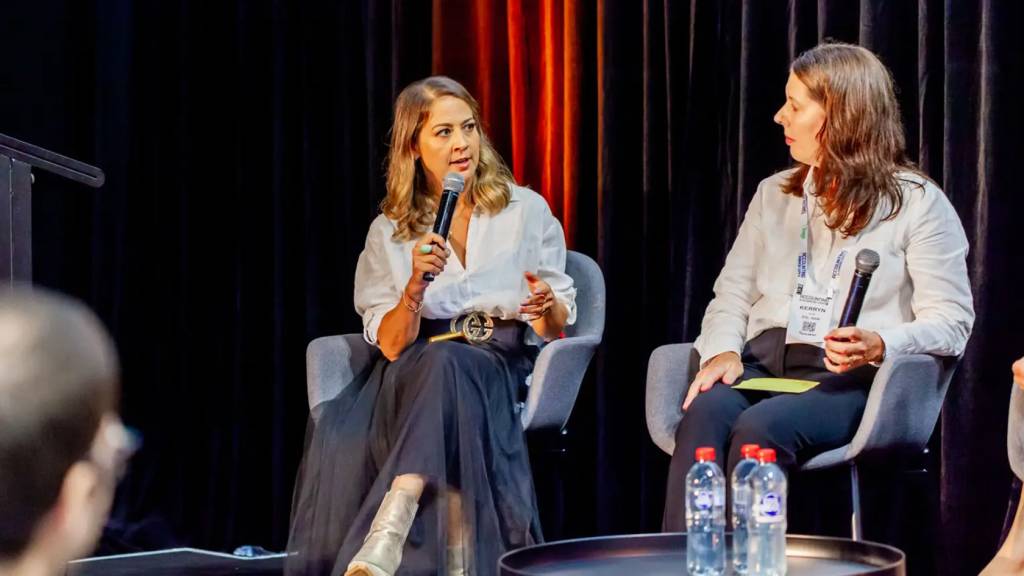
According to Empowered Mother co-founder Kimberly Smith, making an impact in the community is the driving force behind the business. Image: supplied.
SmartCompany is proud to introduce ‘Businesses We Love’, a new series in partnership with Optus Business. In each edition, we chat with Australian founders and business leaders about productivity, connectivity, technology and the realities of running a modern business.
No business grows in isolation.
For small business owners, community engagement is rarely just a matter of being reachable. It is about creating an open dialogue and sense of trust with customers, peers and networks so they buy into your brand ethos.
Community can shape how businesses identify unmet needs, respond to feedback and build relationships that extend beyond a single transaction. It starts with connection.
The best ideas are often hiding in plain sight
For many founders, the most valuable market insight does not come from a boardroom. It comes from paying close attention to the people around them.
Smarter business news. Straight to your inbox.
For startup founders, small businesses and leaders. Build sharper instincts and better strategy by learning from Australia’s smartest business minds. Sign up for free.
Skanties founder Susie Taaffe first recognised the potential for her anti-shapewear brand through conversations with friends who shared the same frustration: finding comfortable underwear that would not chafe, dig in or reinforce uncomfortable beauty standards.
“I made them some pairs and they tried them. That’s when I realised this could actually be commercially viable,” she explains. “It was a product women would love that could also help them feel good about themselves.”
For Madebox founder Samantha Finnegan, the idea for premium gift boxes featuring products from small-batch Australian makers came from recognising how the needs of one community could answer another’s.
After bushfires, floods and lockdowns placed regional producers under growing pressure, Finnegan noticed that many businesses wanted to support them but lacked a simple, practical way to do so.
“I realised businesses wanted to support them too. They just needed an easier way to do it,” says Finnegan.
Empowered Mother co-founder Kimberley Smith drew on her own difficult postpartum experience and conversations with pelvic health physiotherapist Liz Eppel.
“Together, we started talking about how more women needed access to safe exercise, education and support during pregnancy and postpartum recovery,” explains Smith.
Emotional connection builds lasting loyalty
“I’ve always believed business is built on emotional connection,” says Finnegan.
For community-led businesses, that connection can be what turns a one-off transaction into an ongoing relationship. Customers are more likely to return when they feel understood, involved and personally invested in what a business represents.
At Empowered Mother, that bond is particularly important. The platform supports women through pregnancy and postpartum recovery, becoming part of a deeply personal period in their lives.
“That’s really the reason we keep doing what we’re doing, and why we feel so grateful to be streamed into women’s living rooms and homes in such an intimate way,” explains Smith.
The impact extends beyond delivering an exercise or education program.
“The messages we receive are incredibly meaningful,” Smith says. “Women start believing in themselves again and realise they’re not broken.”
Listening helps businesses adapt faster
Community is most valuable when the relationship runs both ways.
Founders who create space for honest feedback can refine their offer, improve the customer experience and pivot as needs change.
For Smith, feedback from the women using the Empowered Mother online platform is both a source of motivation and a testament to its impact.
“I feel really energised by the feedback we get from our community about how the program has changed their lives,” she says.
But listening only creates an advantage when founders are prepared to act on what they hear.
According to founder and CEO of Lantern Partners, a consultancy providing outsourced CFO and finance services to growing businesses, this adaptability is a defining trait of strong leadership.
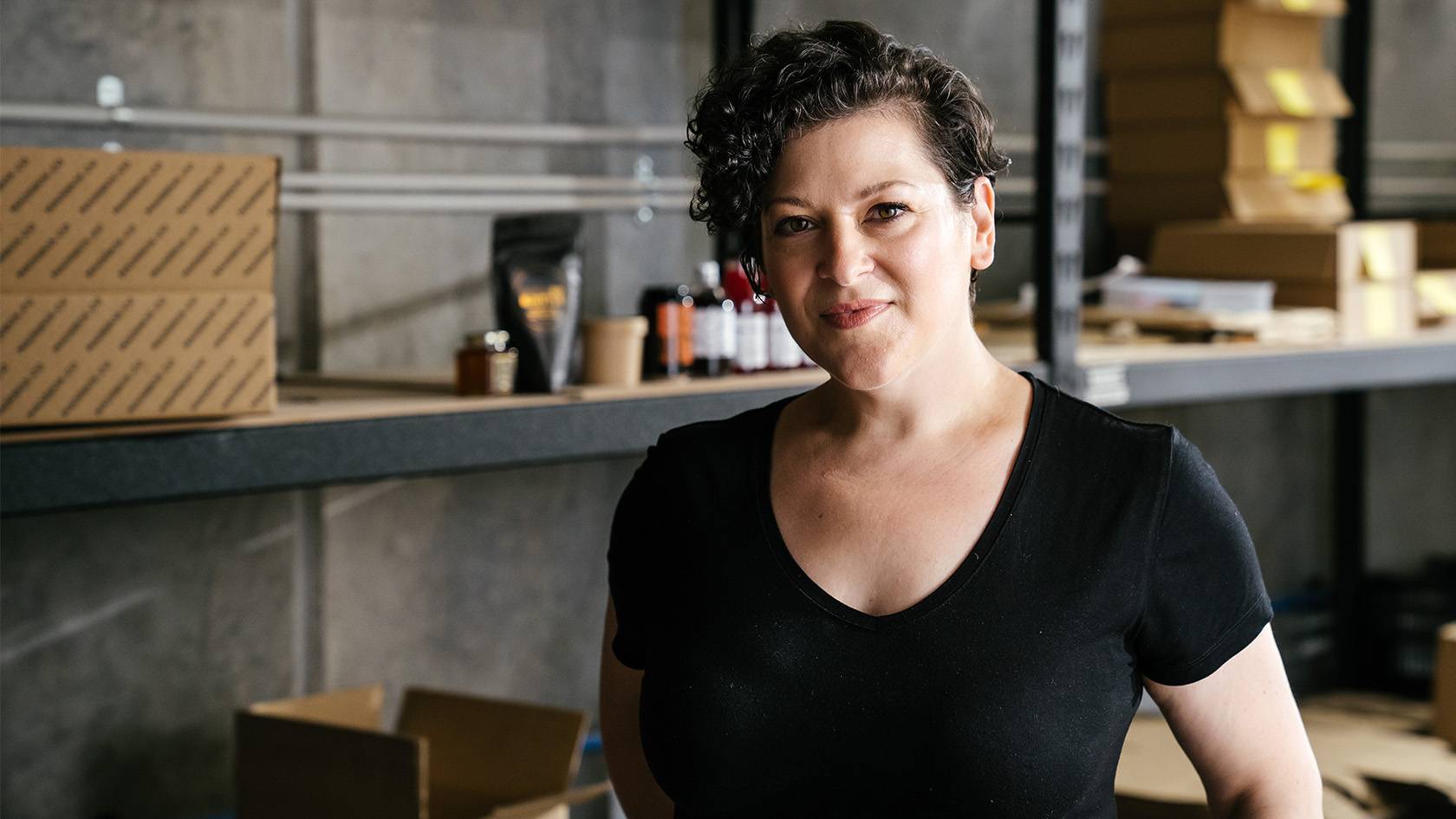
Michelle Kvello ,founder and CEO of Lantern Partners, says listening and adapting to community feedback is key. Image: supplied.
“The leaders who do really well are usually the ones who are open to listening, learning and adapting,” she says.
This approach is reflected in the way Lantern Partners works with clients. In one piece of feedback, a founder praised the team for making her feel “accompanied, not judged”, adding: “You actively listened and adapted your approach as required.”
The advantage lies in keeping that conversation open. The closer you remain to your community, the more clearly you can see what the business needs next.
You don’t have to build alone
For small business owners, community can help fill the gaps a lean team doesn’t cover. Mentors, peers, suppliers and industry networks can offer perspective, practical advice and access to opportunities that may otherwise remain out of reach.
“Founders need to support founders,” says Taaffe. “It can be a very lonely journey and sometimes you need someone to pick you up off the floor when you’re rocking in the corner.”
For Kvello, industry peers are also a source of ideas and energy.
“I get really energised being in rooms with other CFOs or finance leaders who are all trying to solve similar problems,” she says.
To learn more about how connectivity and technology solutions are helping Australian businesses grow and stay connected, visit Optus Business.
Pearl Bendle is a junior copywriter at SmartCo. Media, with a passion for creating stories that connect with audiences. Prior to joining SmartCo. Media she worked with the Foxtel Group and holds a bachelor of communications from the University of Technology Sydney.
At Optus, we understand that running a small business is no small feat. Optus keeps you and your business connected with 24/7 online support, an award-wining network and access to a community of business experts. When your business needs support, we’re all in.